What Nexus Layouts Brings to Modern Interior Design
Nexus Layouts adds creativity and configurability to elevate and reimagine traditional ceiling design.
As a recently launched system, Nexus Layouts represents a significant shift in what suspended ceilings can achieve in contemporary design.
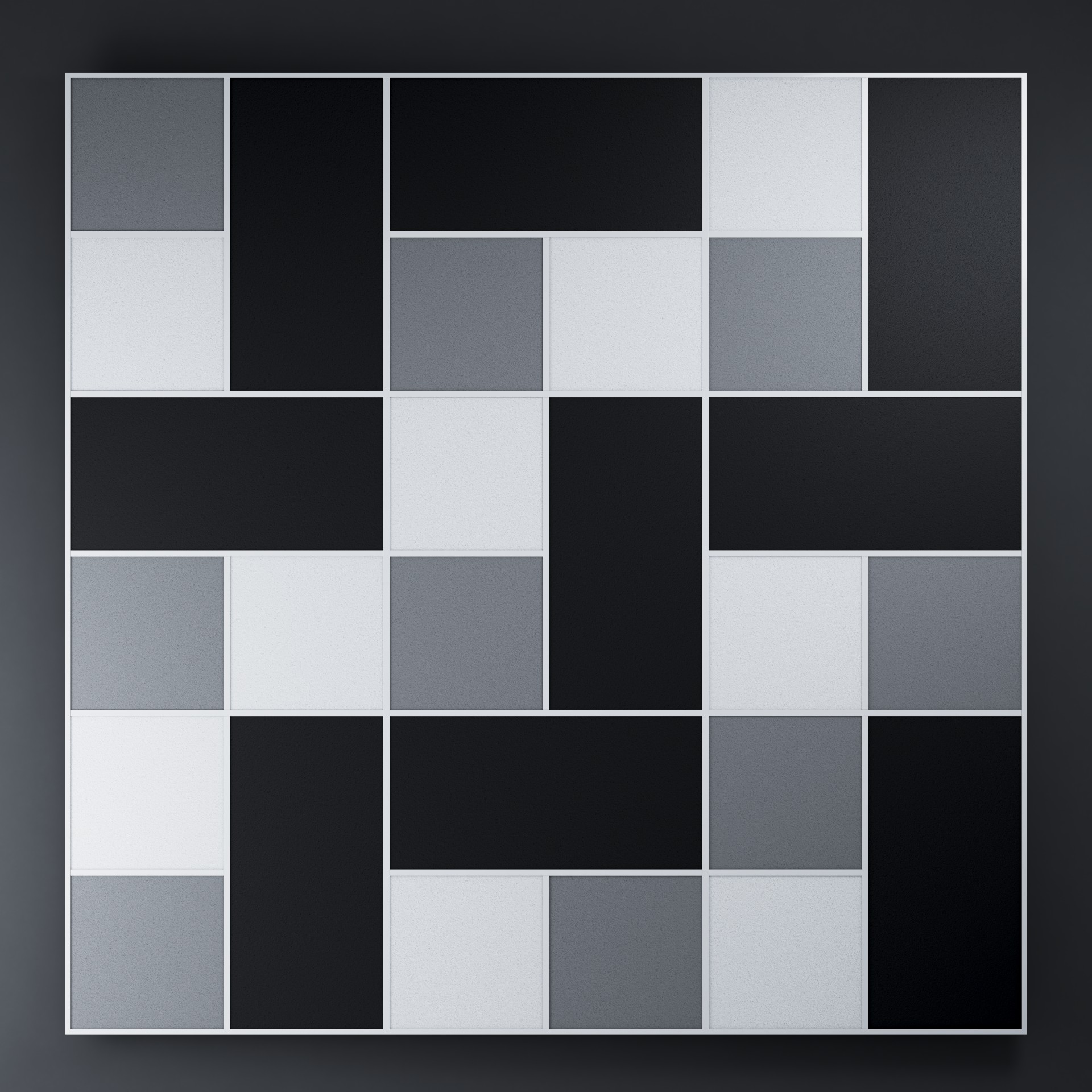
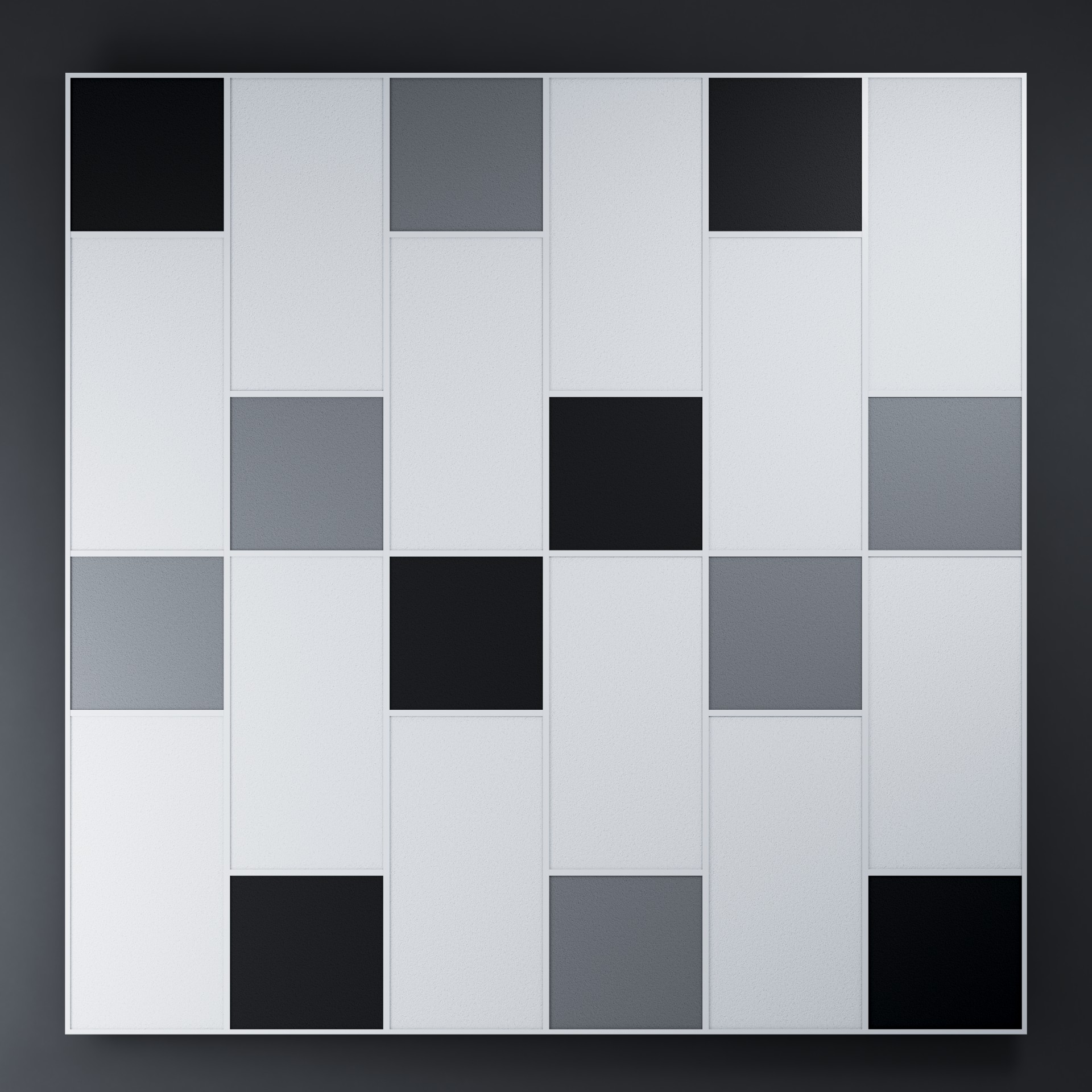
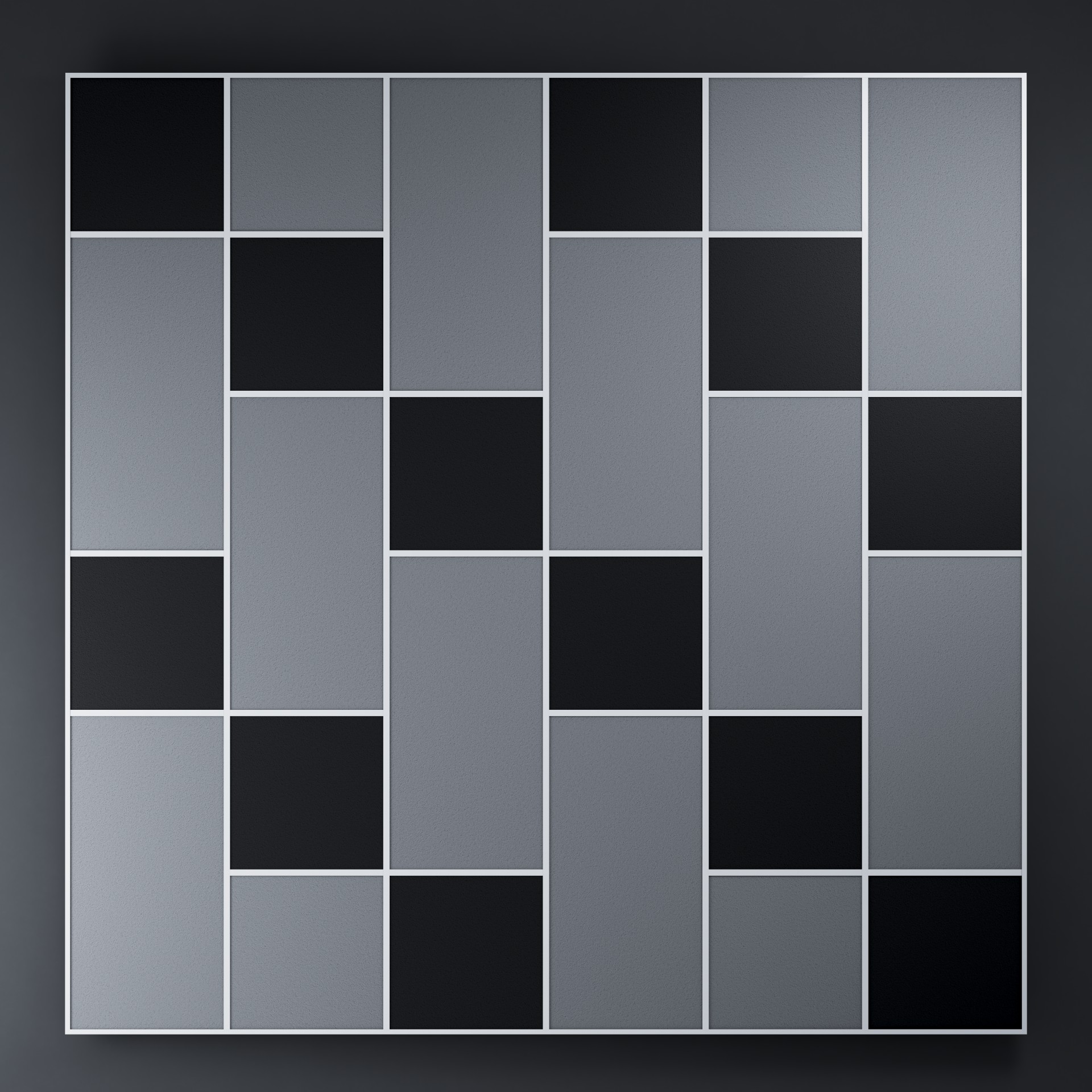
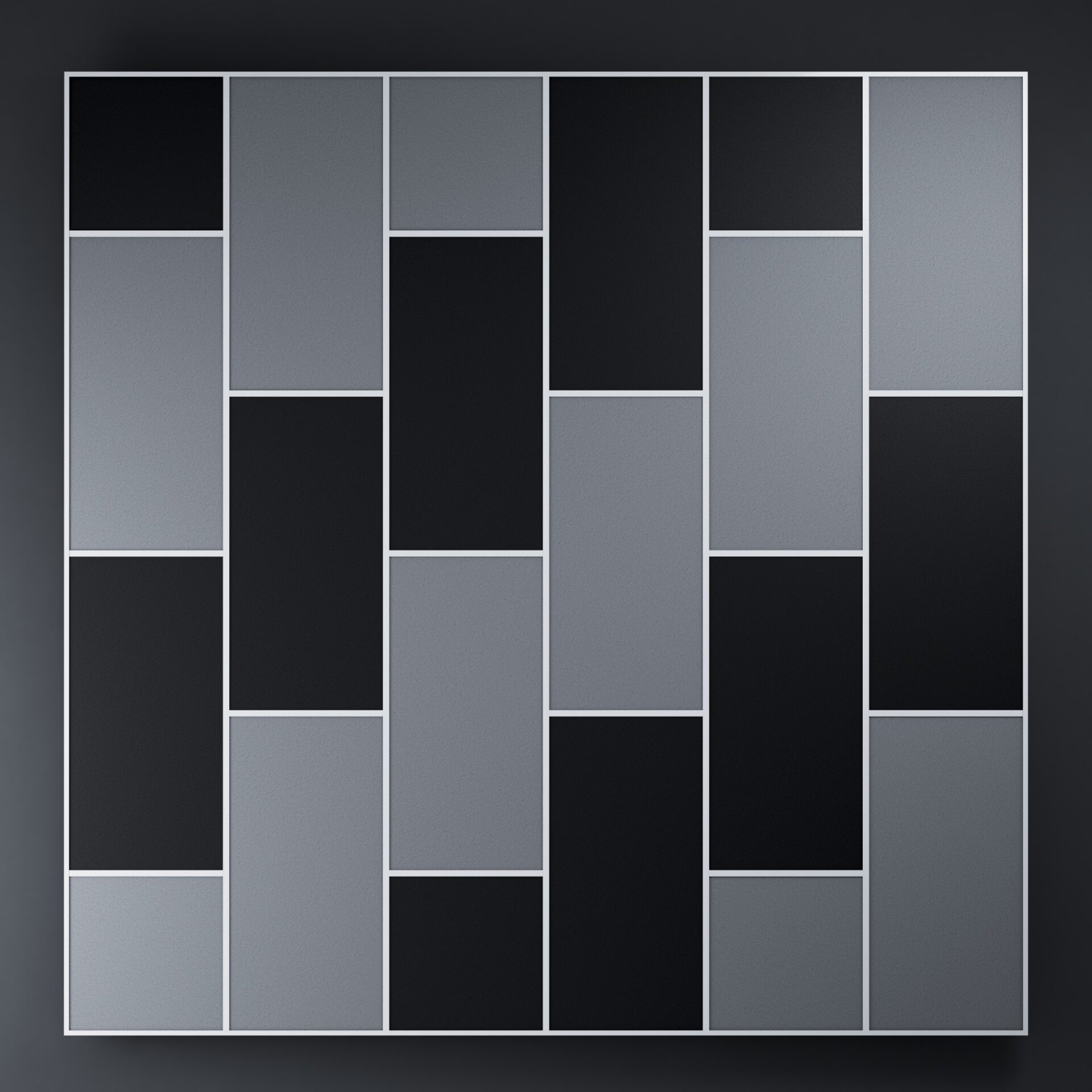
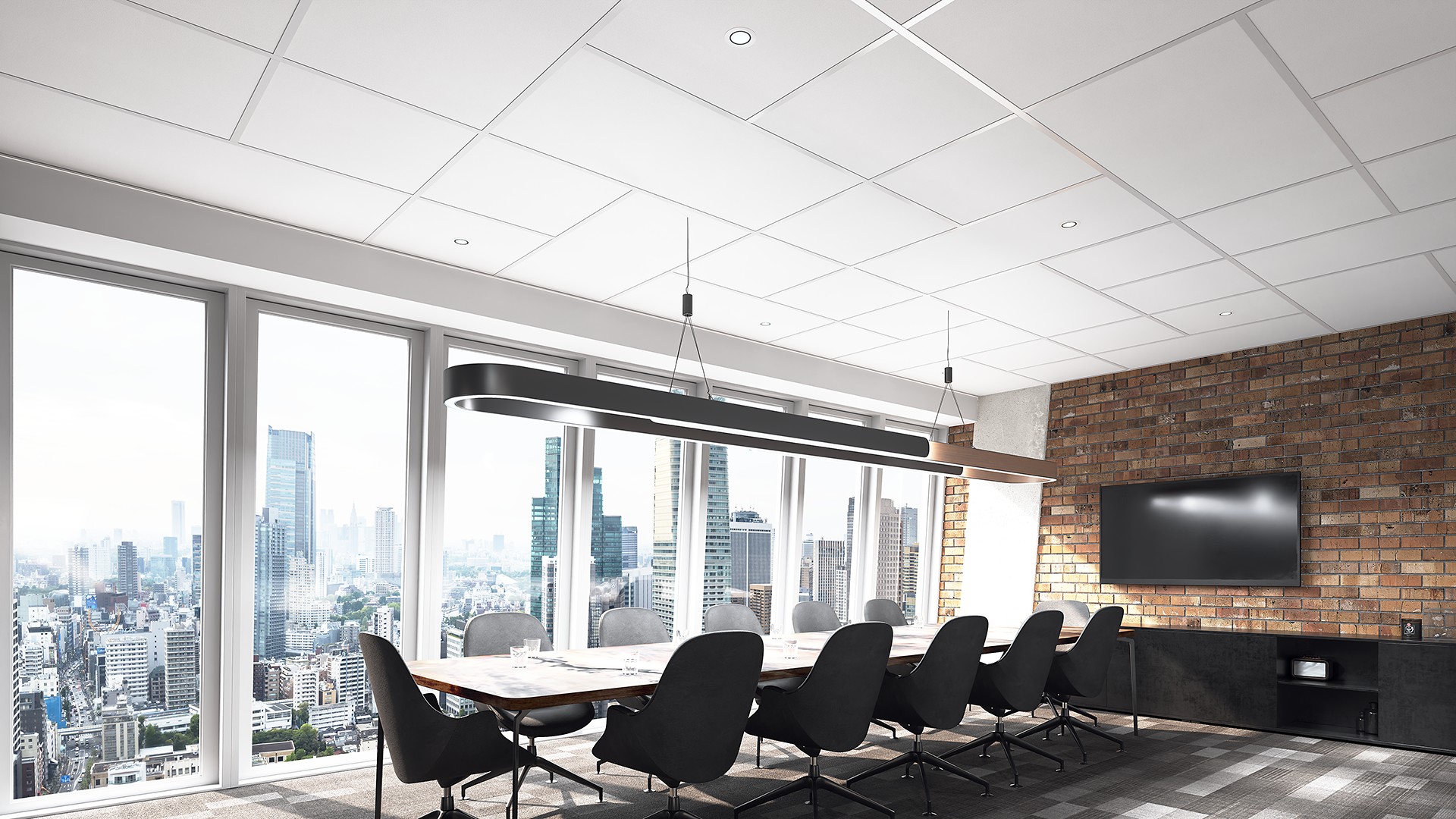
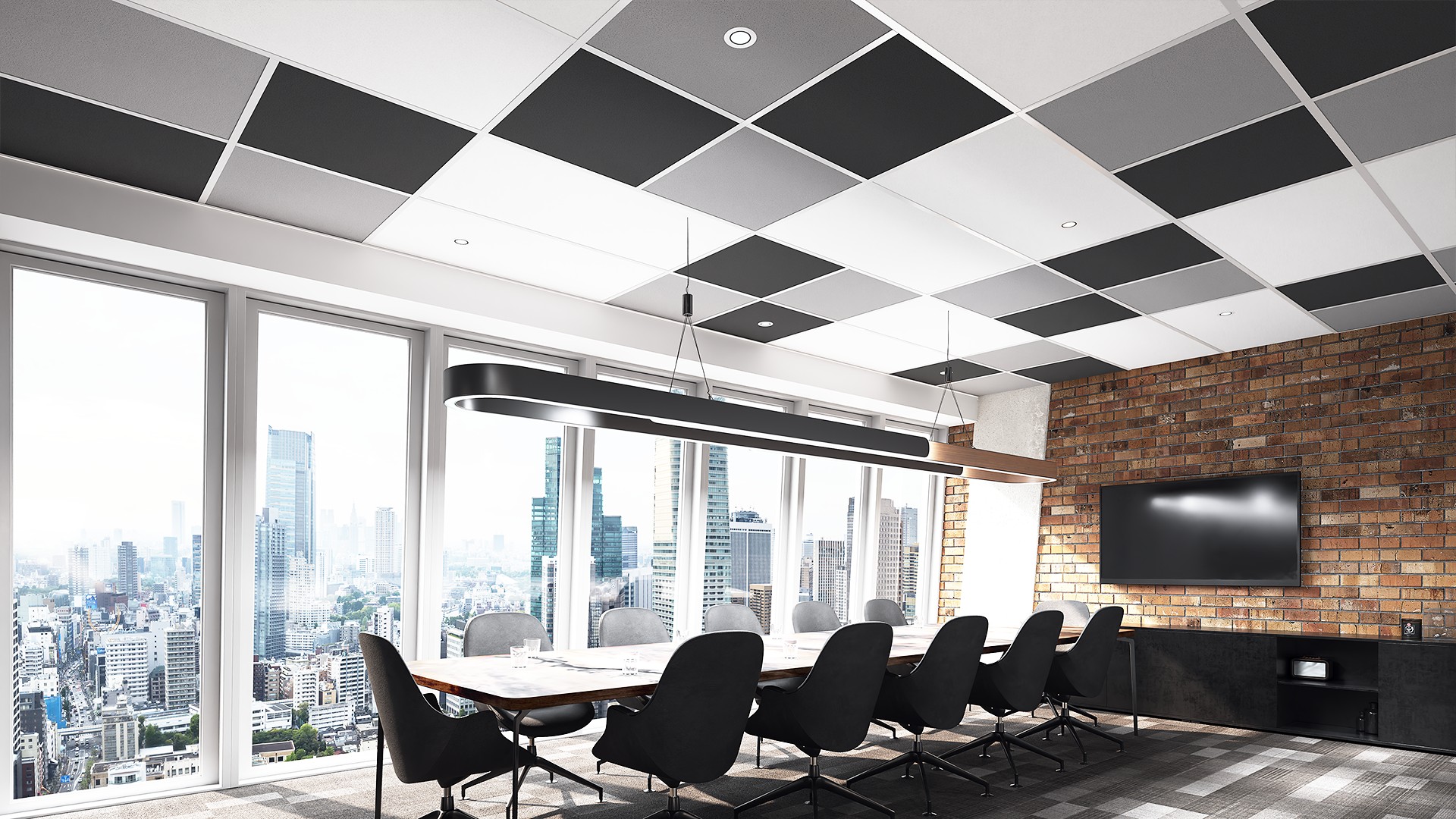
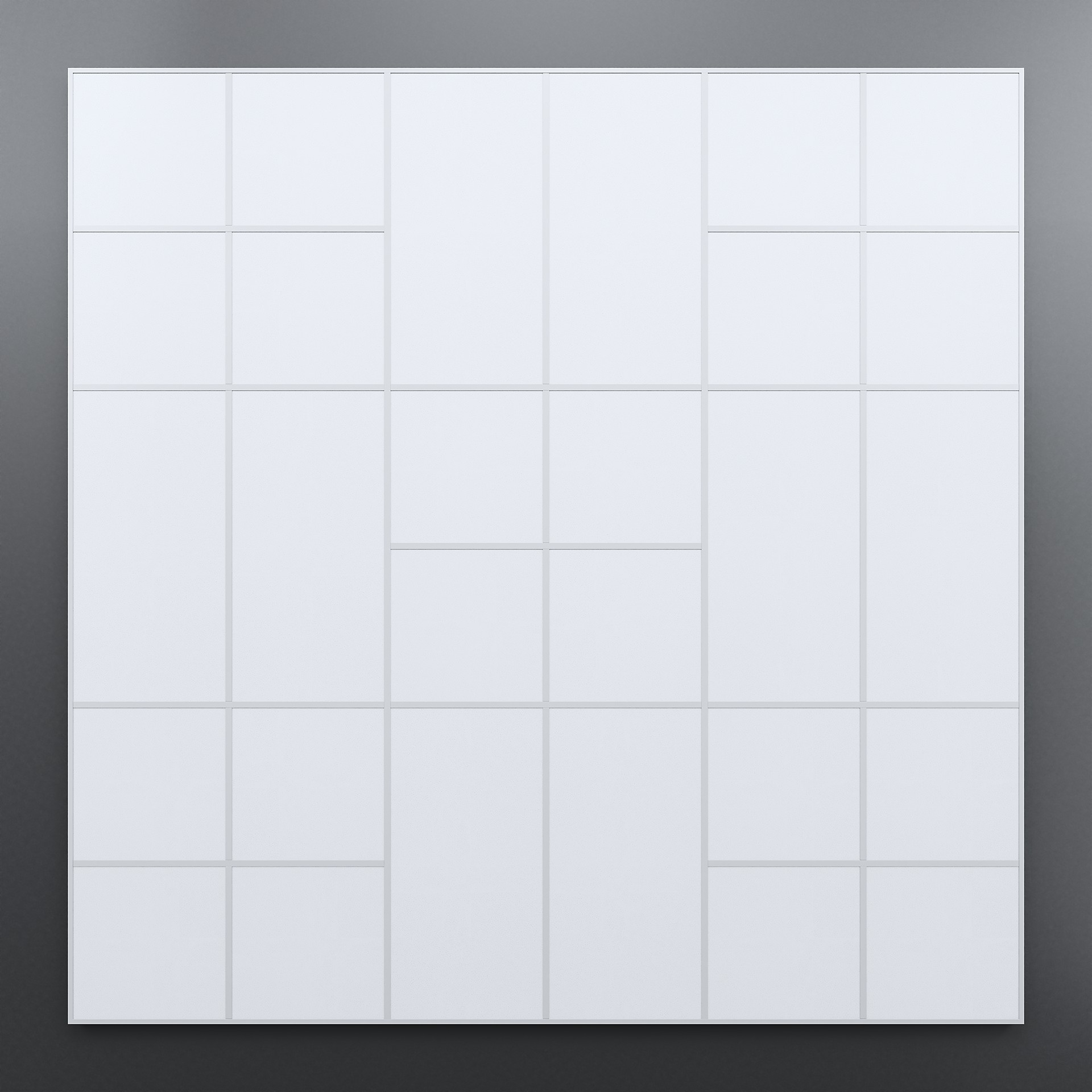
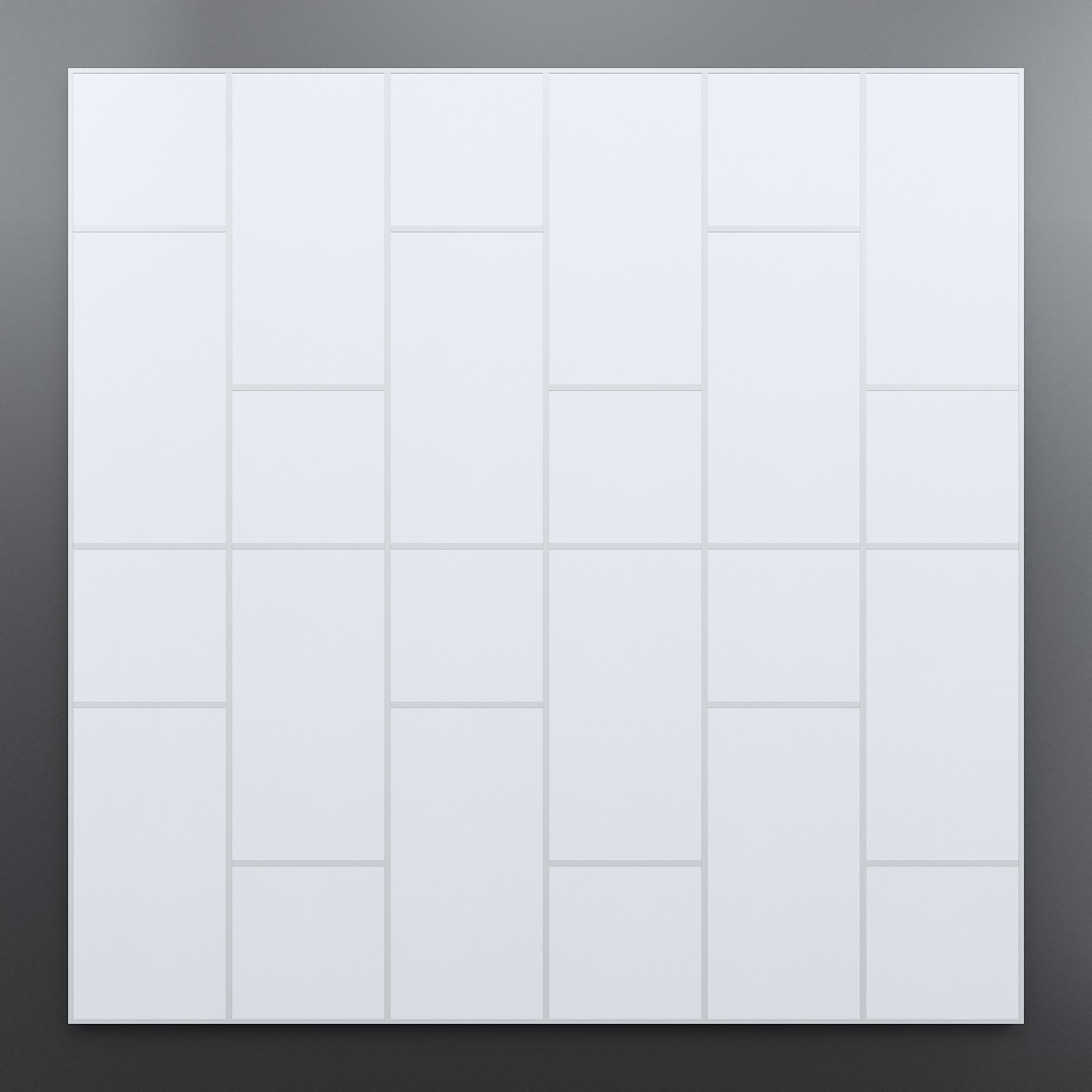
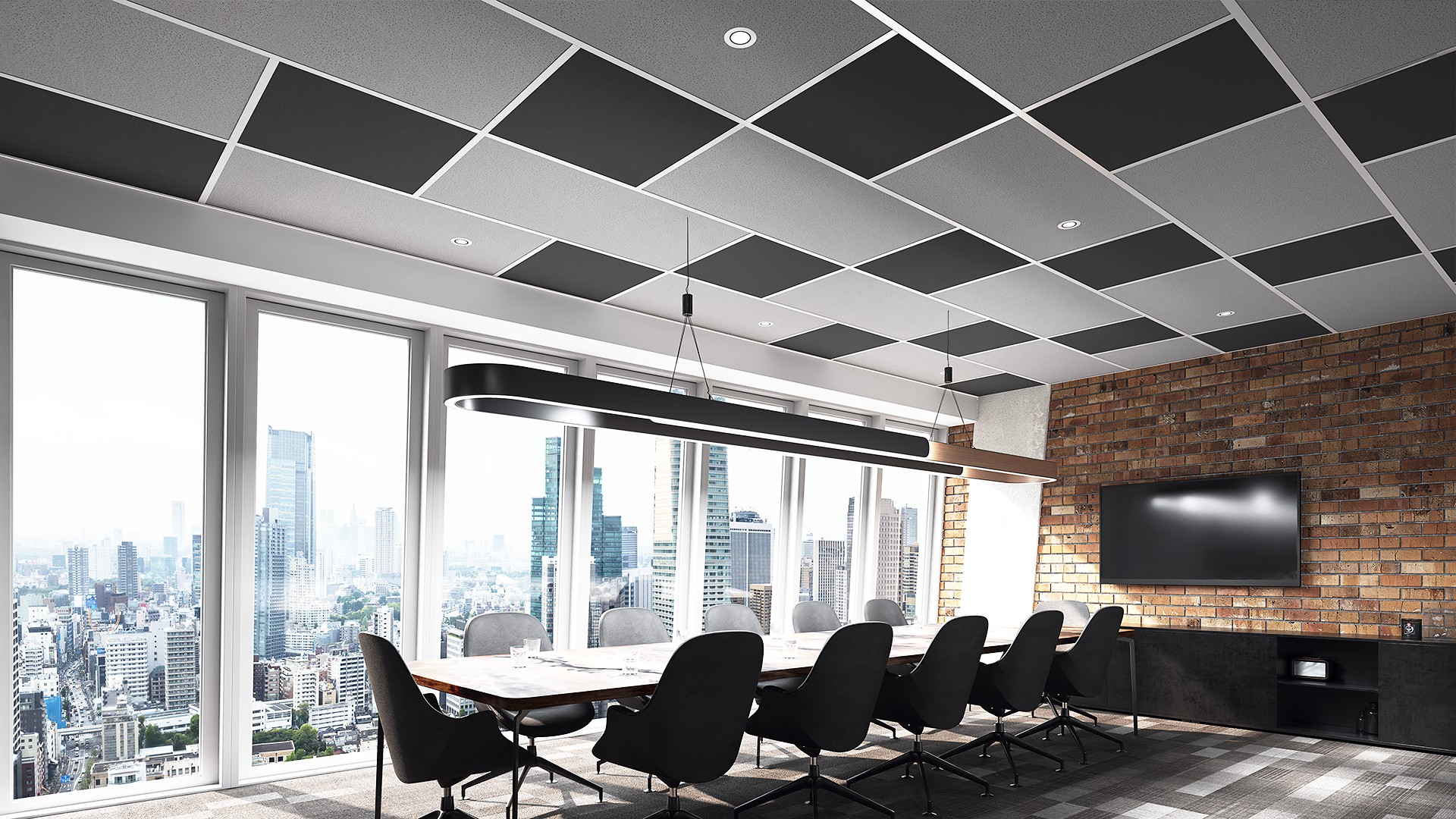
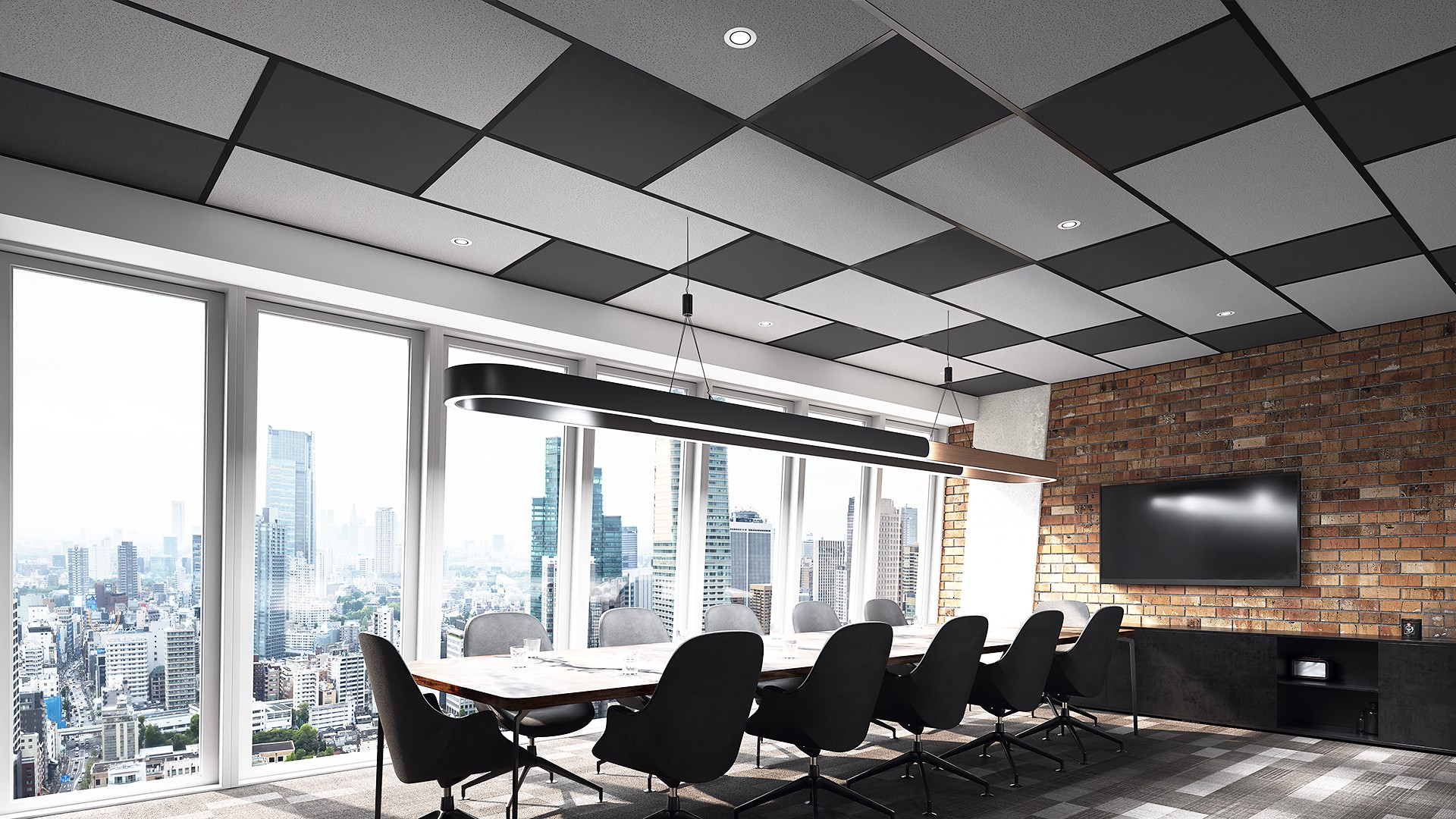
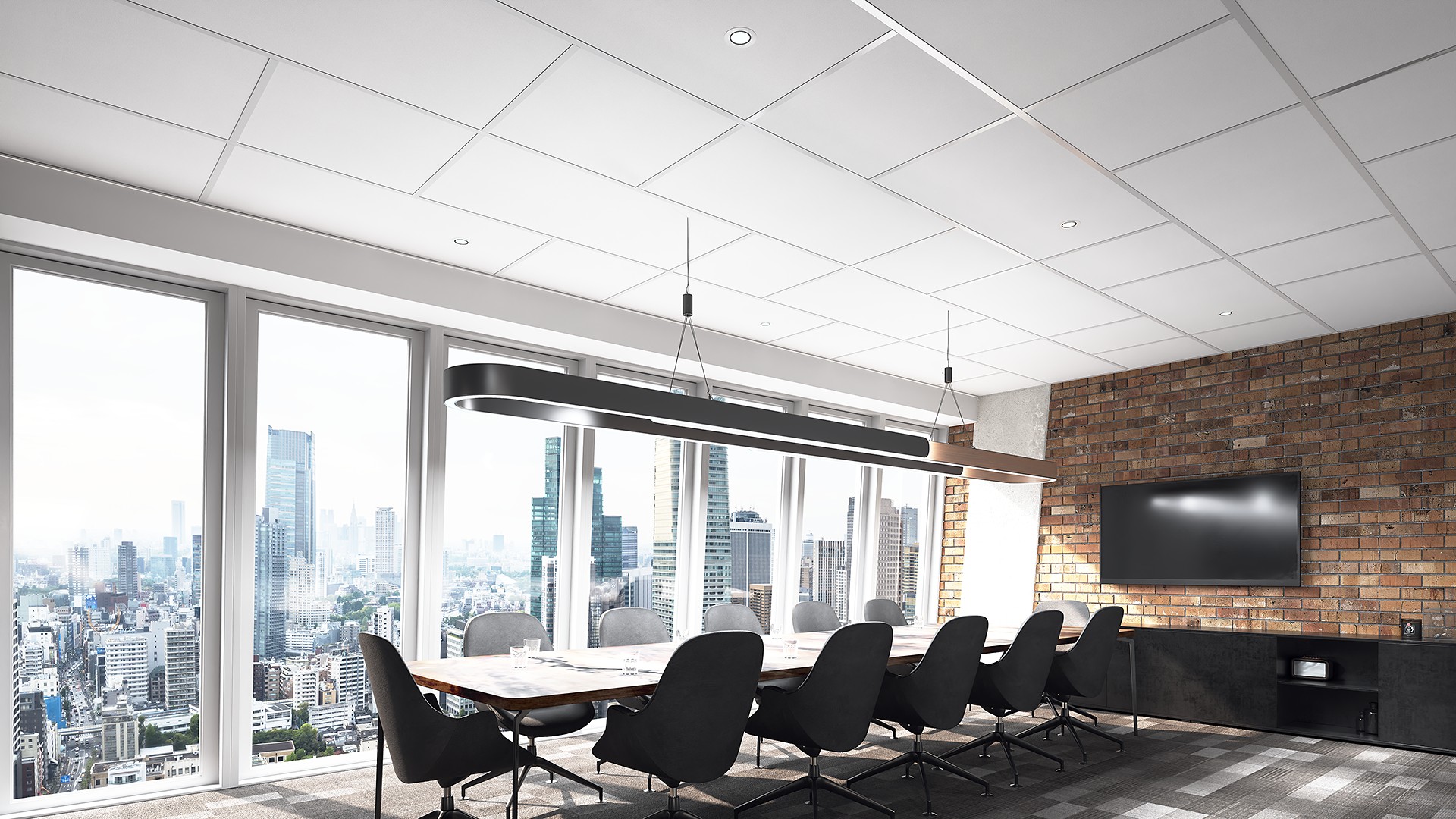
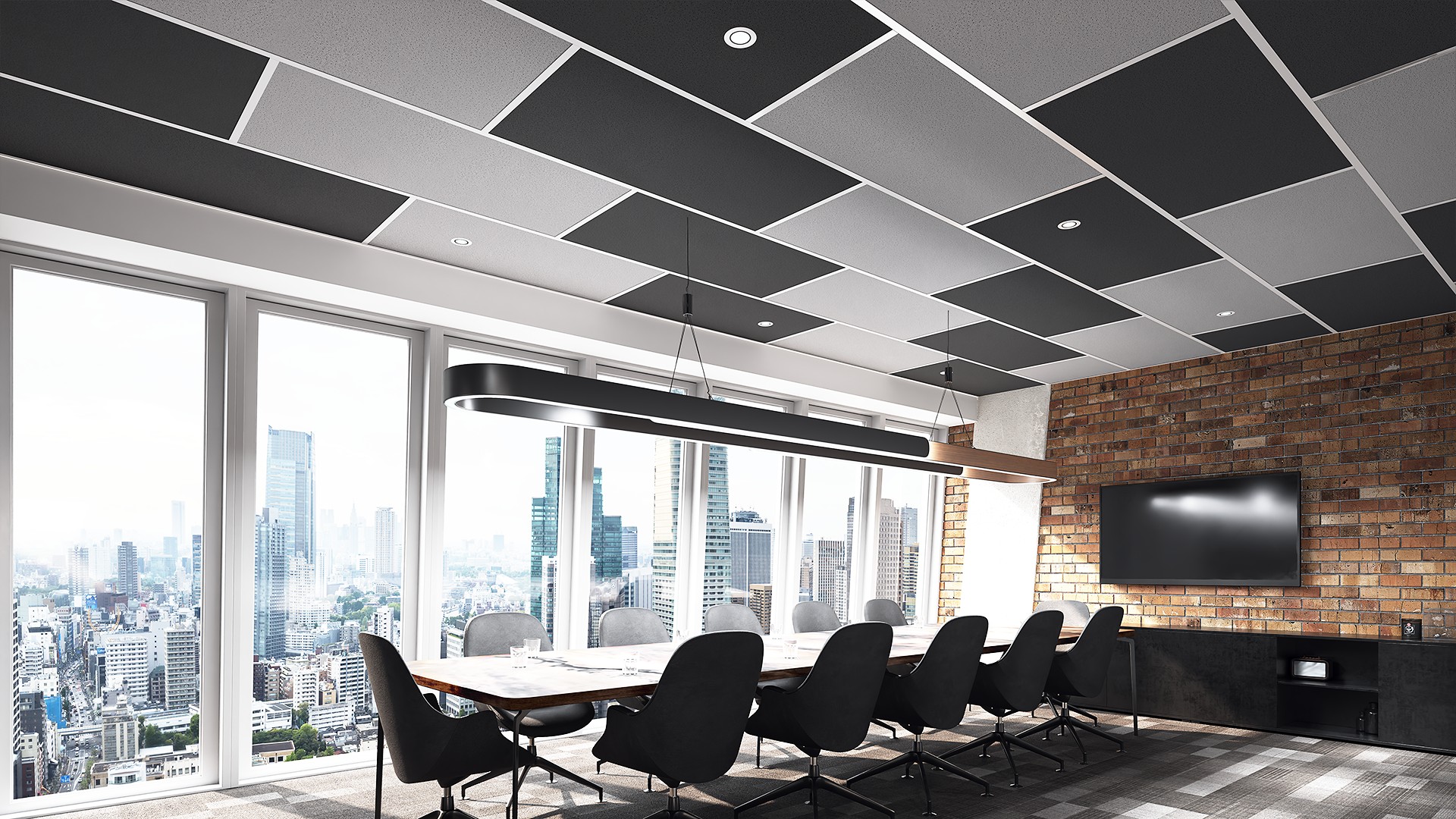
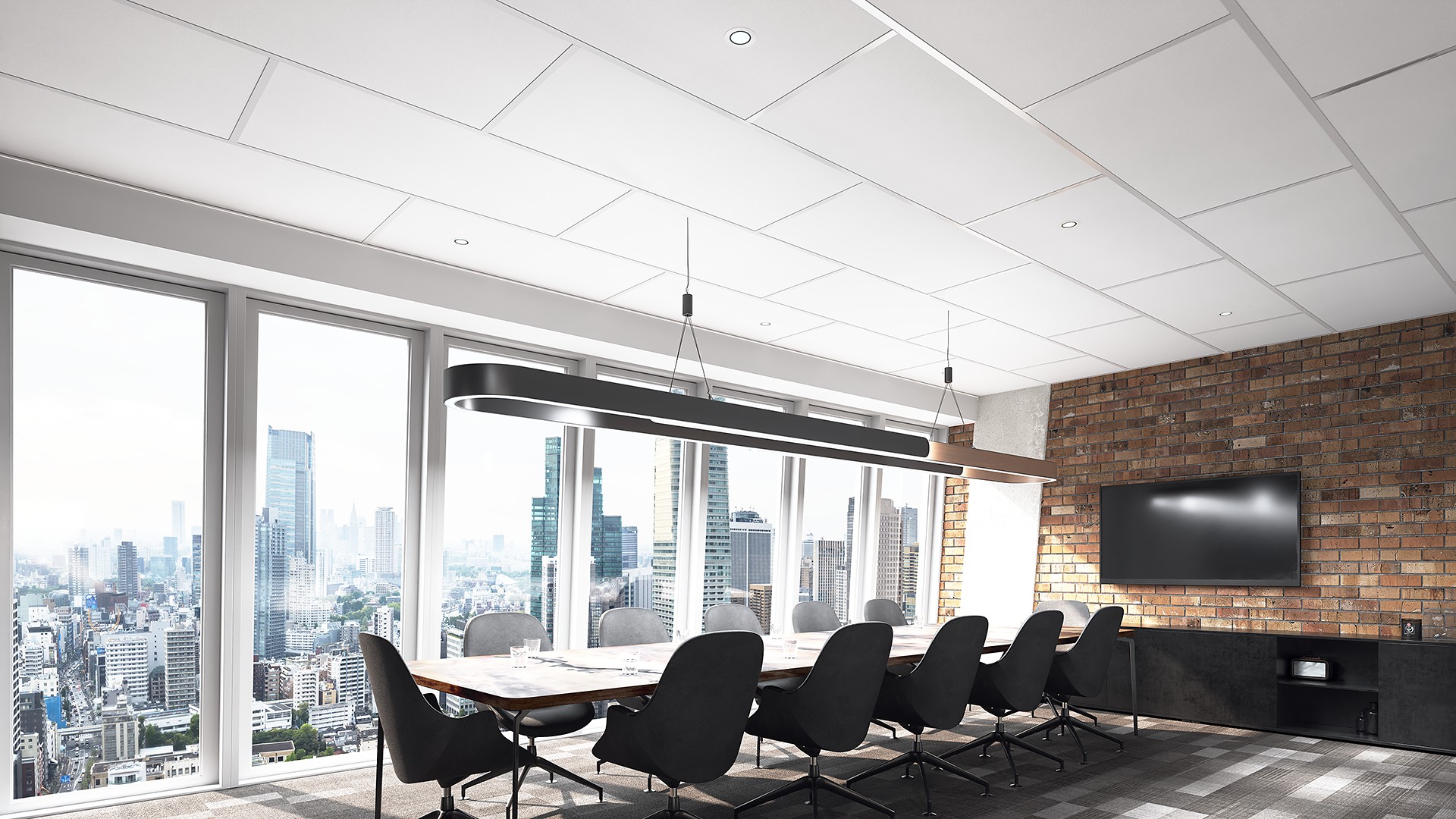
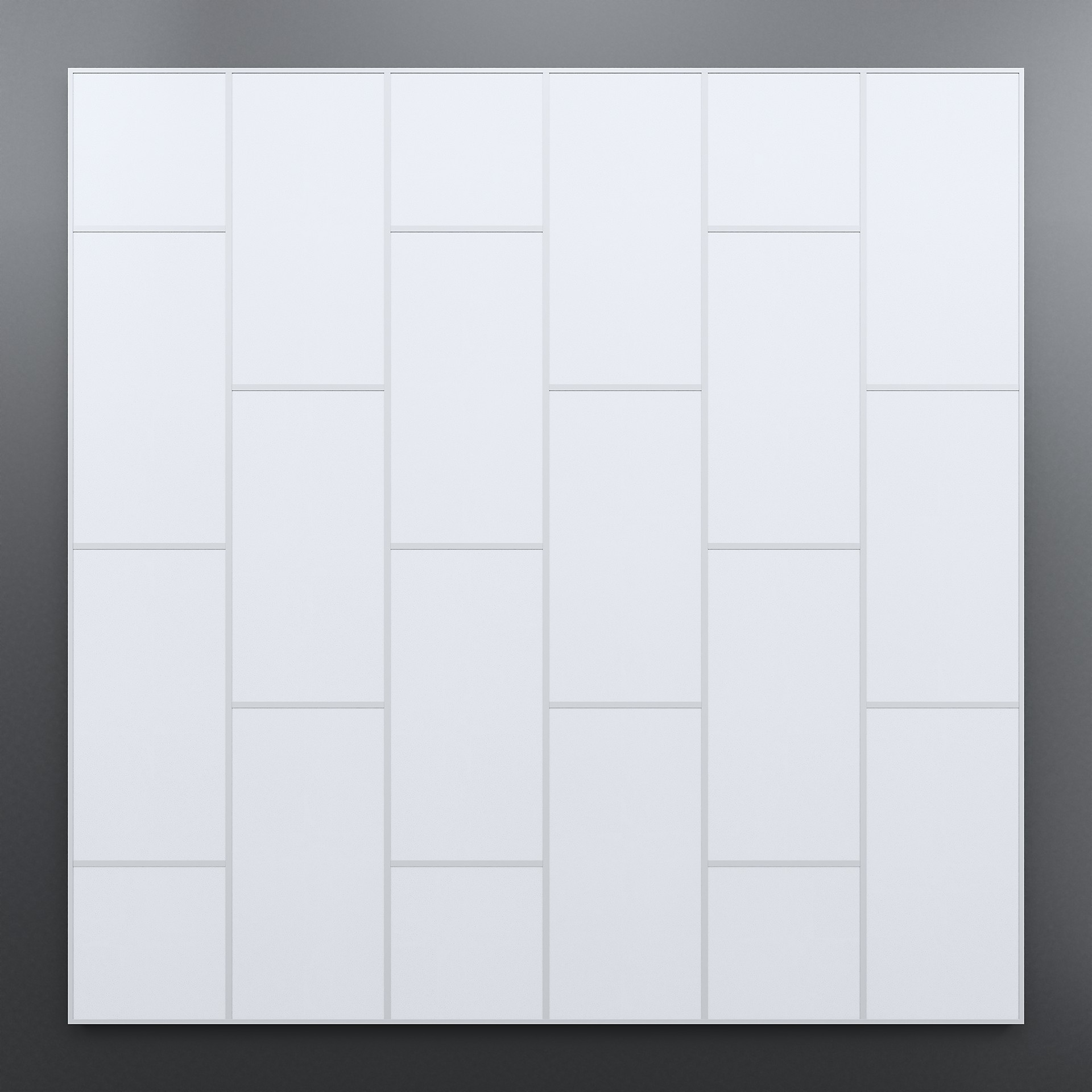
At the heart of Nexus Layouts is the idea that ceilings can do more than simply conceal services. By combining two tile sizes, 600 by 600 millimetres and 1200 by 600 millimetres, the system allows designers to create architectural patterns that feel intentional and visually engaging.
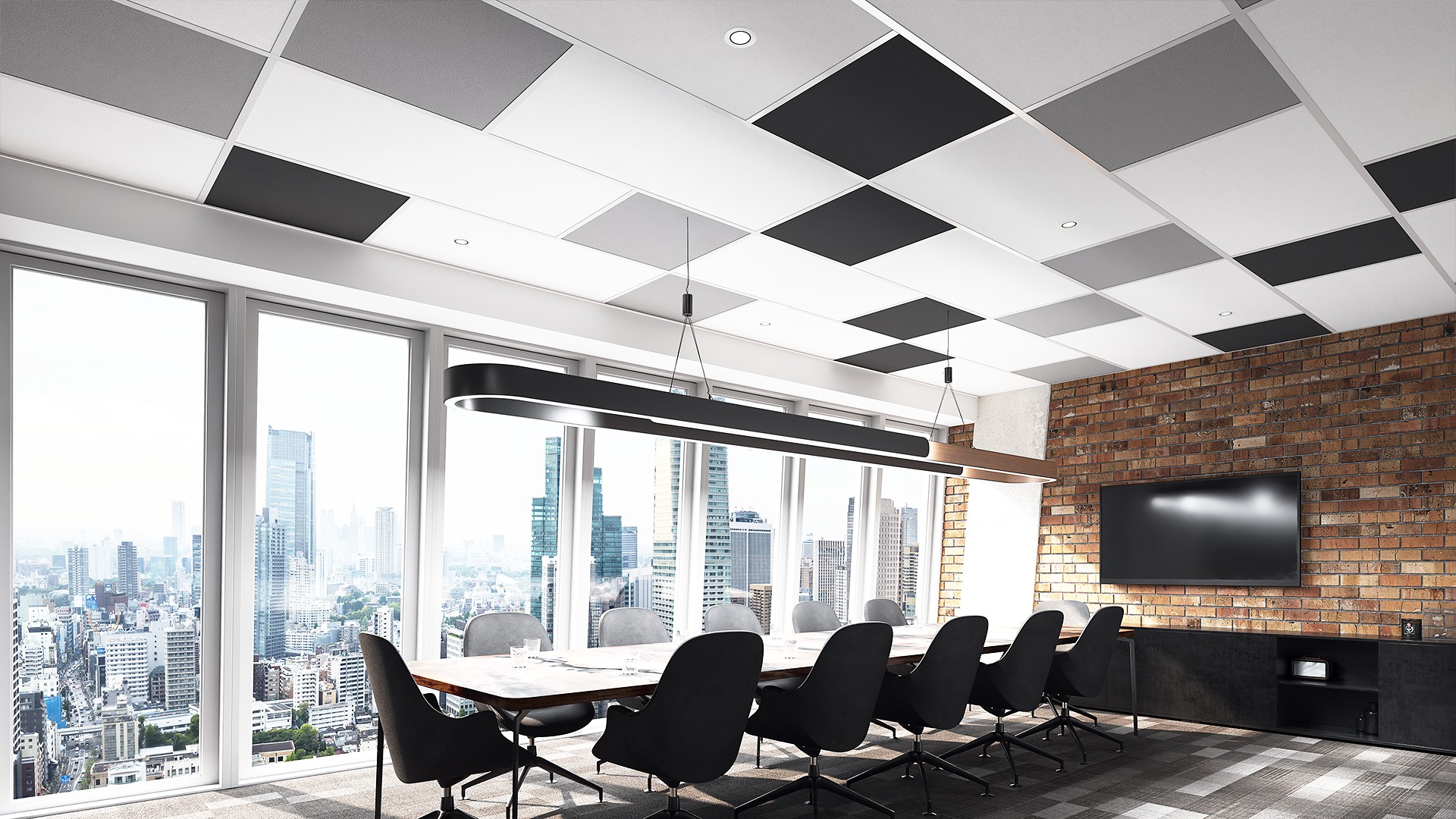
The system includes five predefined patterns, each with its own character: Array, Berg, Exclaim, Pixal and Step. These layouts provide clear starting points, but Nexus Layouts can also be customised for projects that need something distinctive.
The most important factor when designing Nexus Layouts as a concept was that it should be easy to plan and simple to install.
Nexus Layouts is compatible with several Zentia tiles, including Prestige, Prestige Colour, Aruba, Oplia and some DecoMesh products. This compatibility means designers can select layouts that bring visual appeal together with acoustic performance, colour, and light reflectance.
Why Nexus Layouts Has Arrived at the Right Time
Workspaces, public buildings and educational environments are undergoing a noticeable shift. Interiors now play a key role in wellbeing, user experience and brand identity. Designers are looking for ways to differentiate spaces without compromising performance.
This is where Nexus Layouts fits in.
The hotelification trend, which is the upgrading of standard office spaces into high-end hospitality focused environments, was the main driver for launching Nexus Layouts.
It allows designers to create more playful spaces, mixing texture, pattern and colours helps to attract the workforce back into the office.
Nexus Layouts responds to this shift by giving architects the ability to create expressive, design-led ceilings without the complexity or cost of fully bespoke installations.
 A Real World Example: Templeman Retailing
The first UK installation of Nexus Layouts was completed at Templeman Retailing, a national vending and wholesale business. The brief was simple but ambitious: create a more welcoming entrance that would leave a strong impression on visitors and staff.
Working closely with the client and the design team, Nexus Layouts was specified using Prestige tiles in black and dark grey. The chosen pattern introduced depth, contrast and structure, turning a previously standard ceiling into a confident design feature.
Lighting was integrated into the pattern to highlight the geometry of the tiles and reinforce the visual rhythm. Because the solution used a full Zentia ceiling and grid system, the project is covered by a 30 year guarantee, providing long-term assurance of quality.
The transformation demonstrates the capability of Nexus Layouts to elevate everyday spaces.
You can read our Nexus Layouts case study here.
What Makes Nexus Layouts Different
A clear sense of structure and rhythm
The five launch patterns were selected from hundreds of possible combinations. Each delivers a specific visual result from a small number of components. This curated approach helps designers work with confidence.
The development process was extensive. There were hundreds of pattern options. We selected five to inspire designers and show what is possible with just a few standard parts.
Compatibility with performance-led tiles
Because Nexus Layouts can be paired with tiles from multiple families, it can support a wide variety of spaces:
This functional flexibility is central to the system. As Nexus Layouts is made from standard components, the performance of the ceiling tile can be fine-tuned to meet the particular requirements of the space.
 A practical installation experience
Despite its visual ambition, Nexus Layouts is grounded in installation logic. Each layout is based on standard grid spacing, making it familiar for contractors and straightforward to install. Predefined patterns come with standardised bills of materials for 3.6 metre by 3.6 metre areas.
A small but powerful piece of engineering supports this functionality. The Single Tee Adaptor Clip is the critical element that allows the majority of these patterns to be made possible. It ensures strong, stable and perfectly aligned connections.
Supporting Wellbeing and Sustainability
Buildings that support wellbeing, comfort and sustainability are now considered essential. Nexus Layouts helps designers meet these expectations through the tiles used within the system.
Tiles with high light reflectance support brighter, more efficient spaces. Acoustic tiles improve comfort in open plan environments. Options with higher recycled content or low VOCs help projects align with sustainability goals.
Performance can be easily adapted. Tiles can be swapped to fine-tune light, acoustics and sustainability, all within a creative Nexus Layouts design.
The Future Potential of Nexus Layouts
Nexus Layouts is still in its early stages, but the initial response suggests that designers are ready to rethink the role of the ceiling.
We are already seeing creativity emerging. Once designers are comfortable with the fundamentals, they want to add their own creativity. Brighter colours and different combinations are some of the early trends.
This ability to customise is one of the reasons Nexus Layouts is positioned to influence future ceiling design. It allows specifiers to move beyond the uniformity of traditional grid ceilings while maintaining the practicality that projects require.
Conclusion
Nexus Layouts represents a new direction for suspended ceilings. It provides a way to bring structure, pattern and architectural expression into spaces without sacrificing performance or simplicity. The Templeman Retailing project shows what is possible, and with growing interest across commercial and workplace sectors, Nexus Layouts is set to play a key role in the next generation of interior design.